
This one is going into my “Grandma Stephy’s Recipe Book”. Yes, I have a notebook that I have started a few years ago, where I write down some of my favourite recipes. I don’t care if people don’t use paper and pens 200 years later. My great-great-great-great-great- grandkids will read and try out this recipe book.
Chinese New Year is coming up again (January 28th, 2017 this year). So in hopes of staying on top of things, I’ve started prepping for it. I’ve already made my “Nin Go making Kit” (I measured out all the ingredients so that it’s SO much faster to make. For my recipe, go here .) and I wanted to add “Lo Bak Go” to my Chinese New Year food this year.
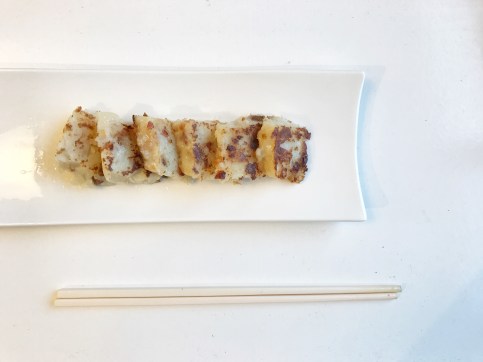
“Lo Bak Go”, or Chinese Turnip Cakes, is a type of savoury cakes that you can often find at Chinese dim sum. If you’ve never had it before, think of it as a “meat loaf” type texture, but made with mostly turnips rather than meat. It can be served steamed or pan fried. I personally like it steamed, with a little bit of soy sauce. Soft, warm, and savoury.
The recipe I’m sharing today is from Christine’s Recipes (This recipe is in Chinese. I tried looking to see if she has it in English, but haven’t been able to find it.) She has a wide variety of recipes, and her Chinese cooking recipes are great for beginners, too! I also have both of her cookbooks and they are super handy to have!
Enough intros. Let’s roll up our sleeves and get ready to work!
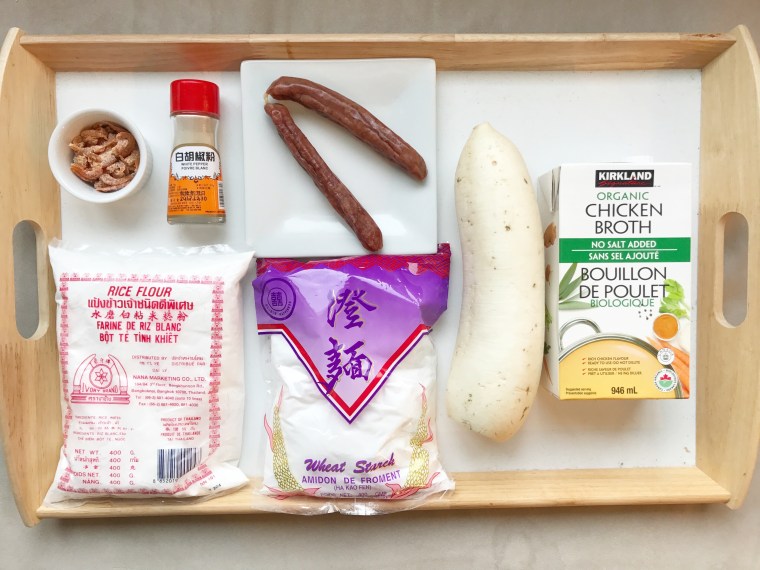
This is what I used for this “Lo Bak Go” (“Lo Bak” is carrot in Cantonese. “Go” is cake. Simple, right? ) You will probably need to stop by your local Chinese grocery store for most of the ingredients (or China town grocery store. Yes, I believe that there’s gotta be a China Town ,or Chinese street, in many cities out there.)
The sausage looking thing is Chinese preserved sausages. They can be chicken, pork, beef, or even turkey. I just took whatever ones I have from my fridge. Richard happens to like to throw one or two into the rice cooker to cook with the rice. And now my boys like it, too…sigh. And then there’s the dried shrimp. Can I call it shrimp even though they are so tiny? You will probably need to get them from the Chinese grocery store as well.
In terms of the rice flour and wheat starch, you might be able to find it in your neighbourhood store. If you go to the Chinese grocery store around January, these ingredients should be very easily accessible. That’s when lots of grandma’s like to make Turnip cake for Chinese New Year. Yes, I called myself a grandma. Darn proud of it! Just wait until I’m actually one. No pressure Jordan, Julian. I can wait for another 25 years. 😀 .
Here comes the “fun” part. The very reason why I don’t usually make “Lo Bak Go”. The prep work….
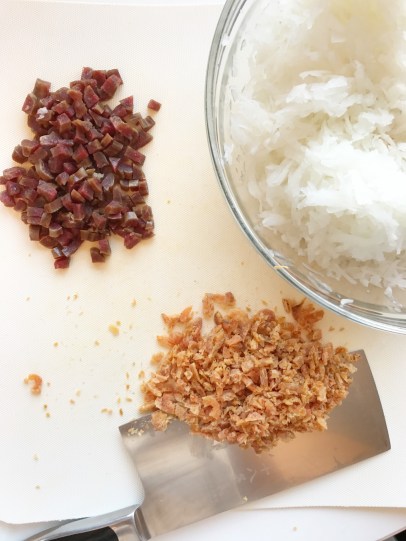
Soak the dried shrimps in warm water to soften up. At the mean time, quickly boil the sausages in hot water for a few minutes. Dice it all up! If you like to have chunky pieces, then just rough chop them. I do have to warn you, if you have them too chunky, these pieces will fall out of your “Lo Bak Go” when you eat them. No big deal, just personal preference. I usually mince the dried shrimp because I know my boys would find them too crunchy, but they do give good flavor.
Then, set up your Netflix, pull up a chair, and grate those turnips. You can tell that’s my favourite part of the process (sarcasm intended…). Come to think of it, THAT’S WHY my right bicep hurt the other day! Don’t say I didn’t warn you. You don’t have to grate them too finely, because you still want some texture.
All the prep work done? Next….
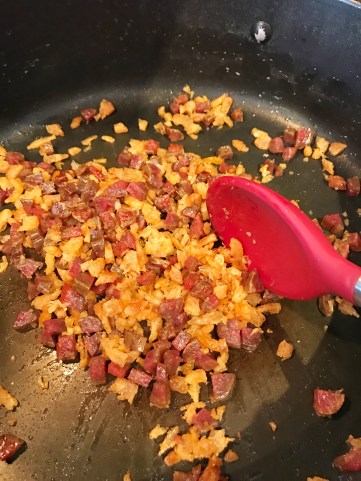
Heat up a frying pan, add oil, and stir fry the preserved sausages until fragrant. Add in the dried shrimp and do the same 🙂 . Put it aside. It smells really good hehehe 😀
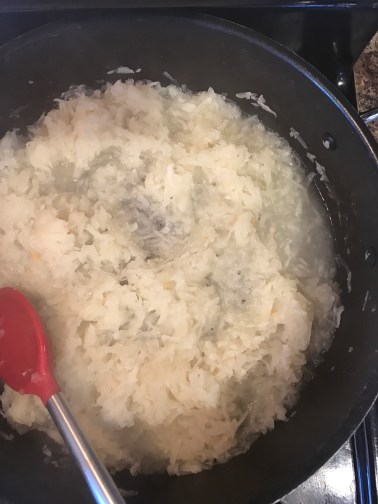
Using the same pan, cook the grated turnip (with its juice). Sprinkle with salt and white pepper. Cook with lid on for 10 minutes on medium-low heat, or until turnip become transparent and soft. You should have more fluid than you started out with at this point. Depending on how much water is in your particular turnip, you might have more or less. Add in the chicken stock (or vegetable stock/water) and cooke for another 5 minutes.
Now mix in the rice flour and wheat starch. I usually mix half first and then the other half. If it’s too thick, add more fluid. You can decide how soft or dense the texture of your cake is at this point: if you like it softer, add more fluid. It should be the consistency of a thick but easy to stir paste. You don’t want to see anything too mushy or liquidy (so add the fluid slowly). If you like it more dense, you may add a little more stock and keep it at a dough like consistency. After a few times making “lo bak go”, you will find your preference. Just remember that, if it’s too soft, you may have a hard time slicing the “lo bak go”. In that case, just eat it as steamed “lo bak go” and make another batch but denser for the pan fried ones!
Then add back in your preserved sausage and dried shrimp.
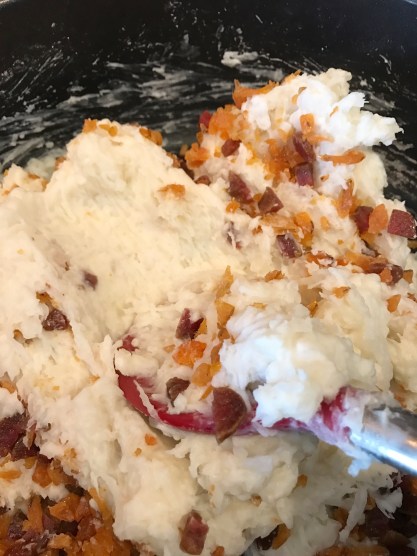
This is what I ended up with. I tried to “show” the consistency in the picture by pressing down on the batter. It’s soft but not liquid-like. After this, pour it into an oiled pan and steam for 45-60 minutes, or until a tooth pick comes out clean. You’ll have to adjust the time depending on the depth of your container.

I always make mine in a round pan. From what I know, the Chinese culture sees the circle shape as a symbol for completeness and togetherness. So on Chinese New Year, being the new beginning, we like to make/have/see things in this shape. It does make slicing it in uniform pieces difficult but I’m not concerned about that. If you want to be able to slice them in the same size, like they do at dim sum, make them in a loaf pan. Super flexible.
To serve, slice and pan fried with some oil on medium heat until golden! My boys like to eat them as snacks or for breakfast. Julian can eat a good 6 pieces in one go! That boy can eat, let me tell ya.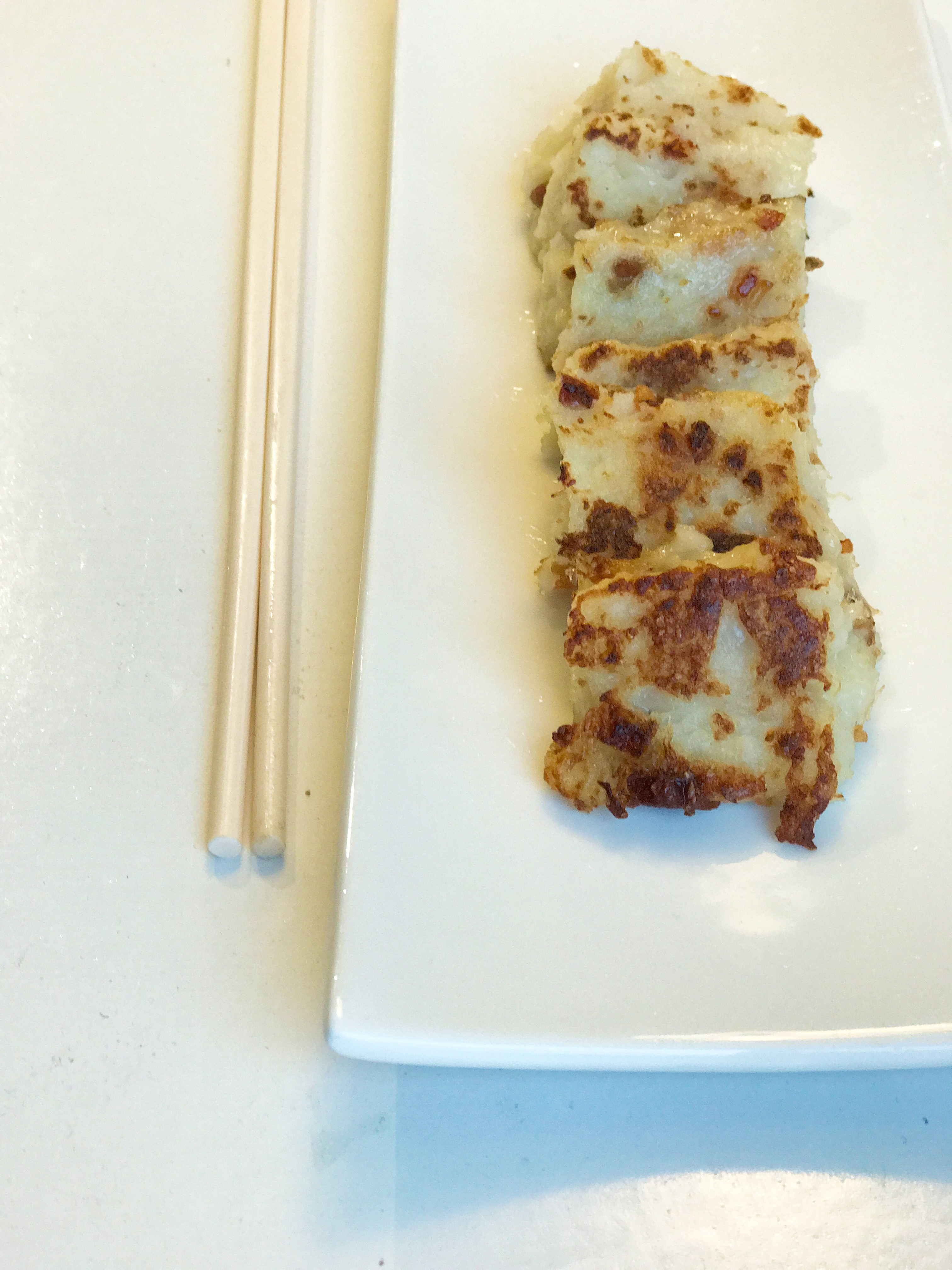

I hope that when someone asks my kids and my grandchildren about what kind of Mom/grandma I was like, one of the things they would tell them that I inspired them to learn about my culture/language because I always cooked yummy food. That they remember watching me make it for them, or making it with them. Because that’s what I think about when someone asks me about both my grandmothers. ❤
Thanks for reading,
Chat soon,
Stephy
Lo Bak Go (Chinese Turnip Cake)
Recipe adapted from Chirstine’s Recipes
1 kg turnip (usually about 1 1/2 of turnip)
1 1/4 cup rice flour
4 tbsp wheat starch
1-2 pieces of Chinese preserved sausages , or “lap cheong”
1/4 cup dried shrimps
salt and white pepper
3/4-1 cup of chicken broth/vegetable stocks
1. Soak the dried shrimps in warm water until softens, about 15 minutes. In the mean time, blanch the preserved sausages for 2-3 minutes. Dry well and dice finely.
2. Wash, peel, and grate the turnip.
3. Combine the rice flour and wheat starch. Mix well.
4. Heat up a large pan/wok, add a 1-2 tablespoons of oil. Sauté the preserved sausages over medium heat. Stir in the dried shrimp and sauté for a few more minutes. Remove from pan and set aside.
5. Using the same pan, cook the turnip on medium heat until soft and translucent. About 10 minutes. Sprinkle in salt and white pepper. Remove from heat, add rice flour and wheat starch, stirring it into a thick batter. Stir in the preserved sausages and dried shrimps.
6. Pour the mixture into an oiled pan (I used an 8″ round cake pan) and steamed over high heat for about 45-60 minutes. Make sure you have enough water for the whole cooking time.
7. Let cool completely. The cake can be kept in the refrigerator for 2-3 days. To serve, slice into pieces and pan fry both sides on medium heat, until golden brown.
***Note: I omitted a few ingredients from Christine’s recipes due to eating preferences.
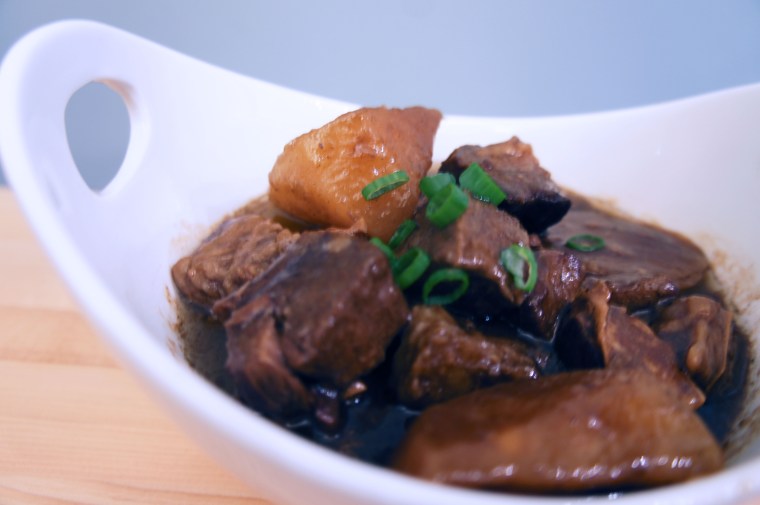
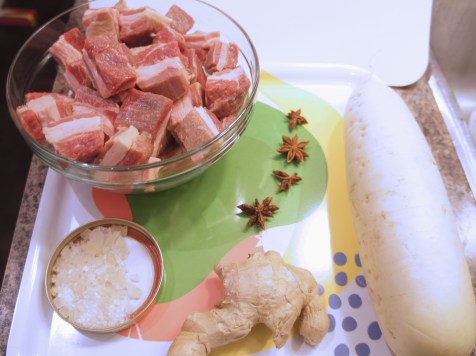
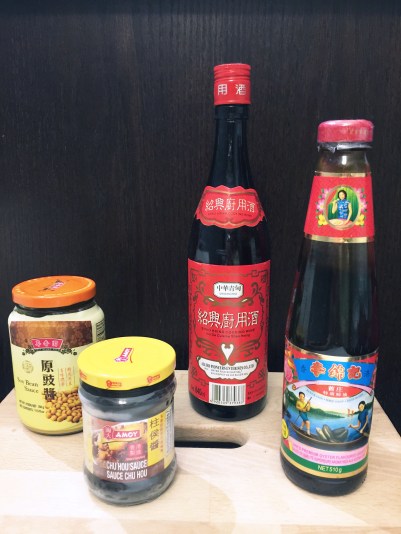
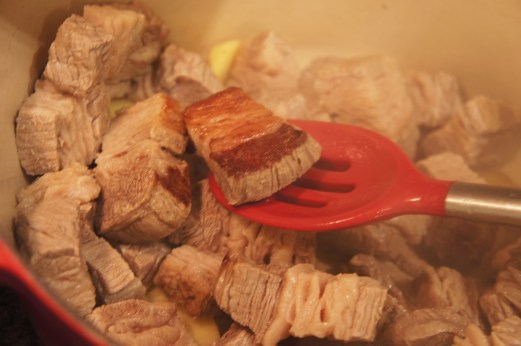
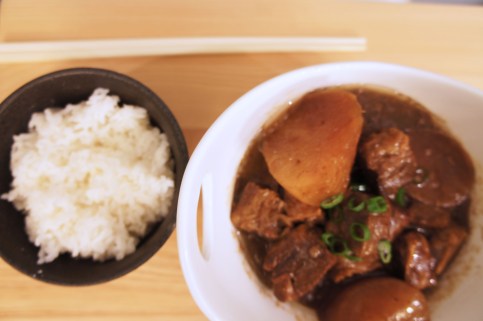
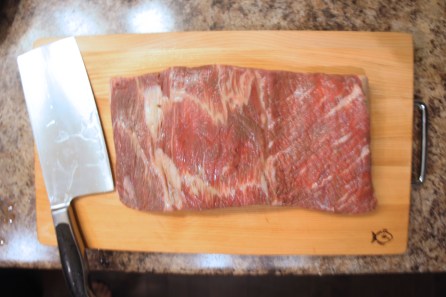 If you are lucky, or if you smile really big and ask really nicely, your butcher might decide to be helpful and cut the brisket into cubes for you at the store! In my case, sometimes, the butcher does it for me (I’ve only had that luck maybe 2 out of 5 times…worth a try though!), sometimes, I just smile and ask Richard really nicely. Hee hee! I don’t really like cutting big slabs of meat….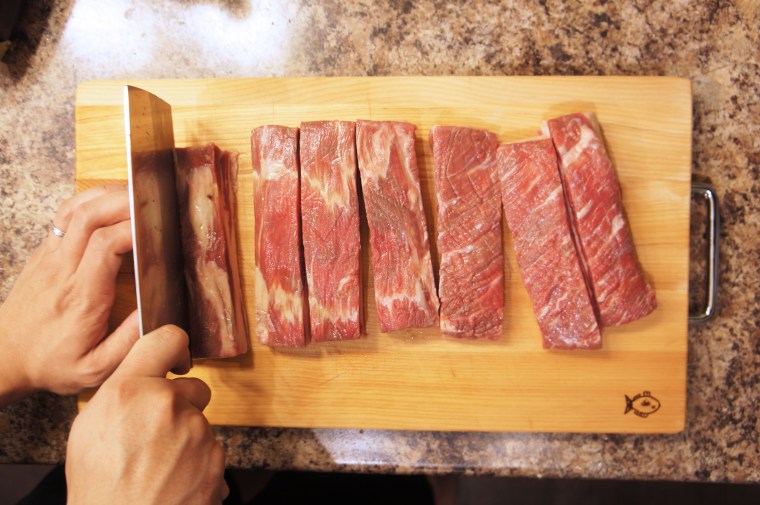

 stephyeverafter.com